Weekly Pantry-First Meal Planning: Feed a Family Well Without Food Waste
Most grocery budgets do not break because a family bought one expensive steak—they leak slowly through forgotten bags of spinach turning watery in the crisper drawer, half-used jars of pasta sauce pushed to the back shelf, and frantic Thursday night takeout orders because nobody knows what fits together for dinner. Traditional meal planning often starts backwards: browsing glossy recipe feeds on Sunday morning, printing five unrelated dishes, and buying 35 brand-new ingredients from scratch.
Pantry-first meal planning flips that workflow completely upside down. Before opening a store flyer or grocery delivery app, you spend ten minutes shopping your own refrigerator, freezer, and dry shelves first. By building the week’s menu around ingredients you already own—and shopping only for fresh gaps and proteins on sale—most households cut both their weekly food waste and their supermarket receipt by 20% to 30% without shrinking portion sizes.
Step 1: Run a Five-Minute “Use-First” Inventory
Pick one consistent day each week—ideally the afternoon before your grocery trip—and open three zones in sequence: fridge crisper and dairy shelf, freezer baskets, and the dry pantry. You do not need a complicated spreadsheet. A magnetic notepad on the fridge door works best because everyone in the house can see what needs attention.
List items under two simple headings:
- Perishables to rescue this week: Half a bunch of cilantro, four carrots getting bendy, leftover cooked chicken, yogurt nearing its best-by date, or three tortillas left in a pack.
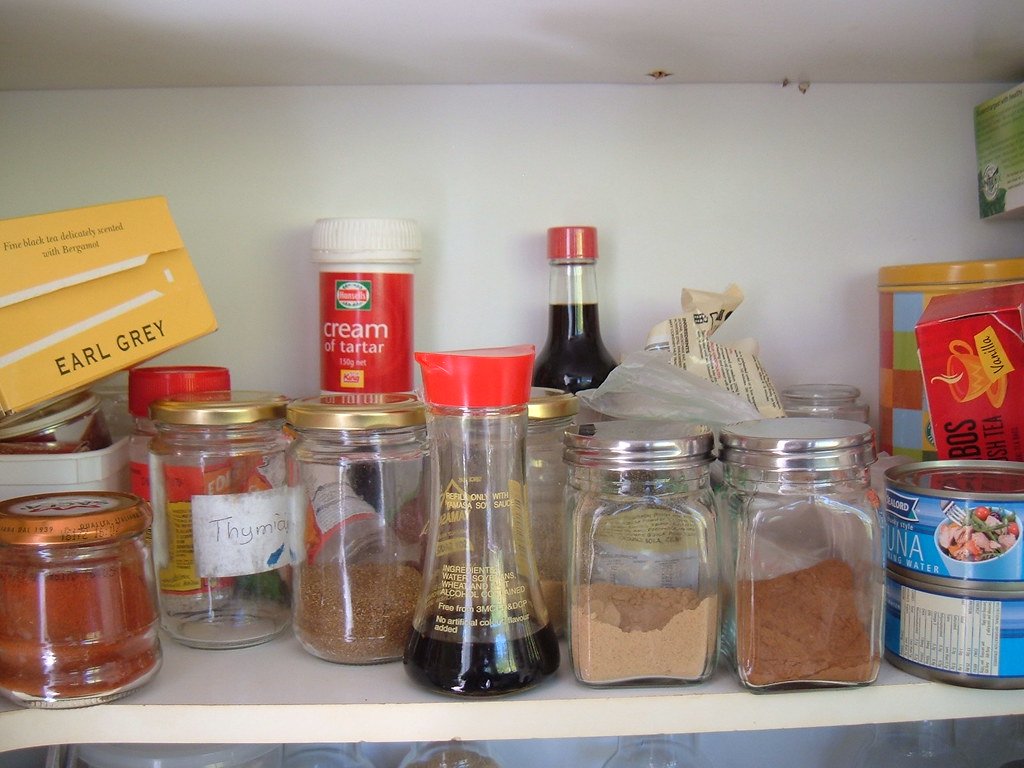
- Anchor staples already paid for: Dry lentils, jasmine rice, elbow macaroni, canned black beans, frozen peas, oats, and tomato paste.
Seeing “half head of cabbage + frozen dumplings + soy sauce” written side by side immediately suggests a 15-minute cabbage and dumpling stir-fry—saving a whole dinner without buying a single extra staple.
Step 2: Build Flexible Meal Templates Instead of Rigid Recipes
Rigid seven-recipe meal plans crumble the moment soccer practice runs late or a toddler refuses broccoli. Instead of locking seven complex recipes onto a calendar, assign loose meal “themes” that effortlessly absorb whatever produce and proteins are sitting in your kitchen:
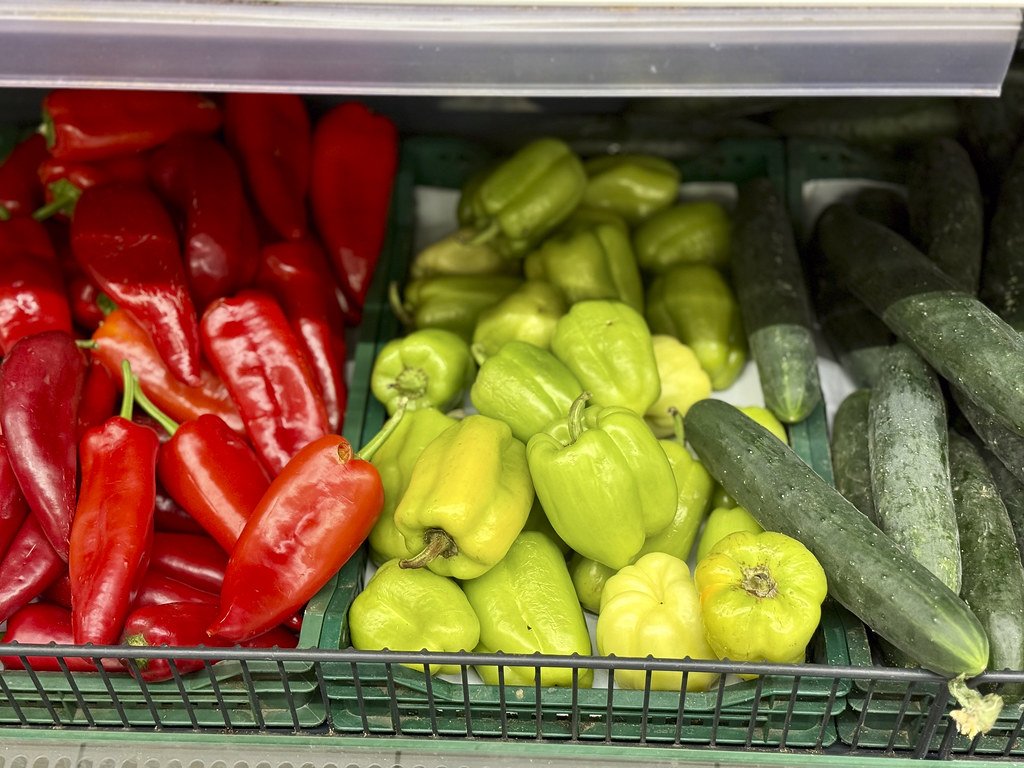
- Monday — Sheet-Pan Roast & Grains: Toss almost any firm vegetable (sweet potatoes, broccoli, cauliflower, bell peppers, red onion) with olive oil, salt, and garlic over a pot of rice or quinoa with sausage, chickpeas, or chicken thighs.
- Tuesday — Taco, Quesadilla, or Burrito Bowls: Any leftover shredded meat, canned beans, corn, and wilting lettuce turn into crowd-pleasing bowls or crispy skillet quesadillas.
- Wednesday — Pantry Pasta or Baked Ziti: Combine dried pasta with jarred marinara, wilted spinach, leftover roasted vegetables, or frozen meatballs.
- Thursday — Clean-Out-the-Fridge Soup, Chili, or Fried Rice: Day-old rice plus stray carrots, peas, scallions, and scrambled eggs make better fried rice than fresh steamed rice ever could.
- Friday — Homemade Pizza or Soup & Grilled Cheese: Keep frozen dough or pita breads on hand for effortless fridge-clearing toppings.
Notice how templates remove decision fatigue while still guaranteeing variety across flavors and textures.
Step 3: Designate an “Eat Me First” Bin in the Refrigerator
One of the simplest household habits ever invented is placing a clear plastic bin or shallow basket at eye level on the middle refrigerator shelf labeled “EAT ME FIRST.” Whenever you open sour cream, chop half an onion, bring home leftovers, or notice bell peppers softening, move them straight into that bin.
Before anyone cooks lunch or starts dinner, the household rule is to inspect the Eat Me First bin before opening new packages. When kids pack school snacks, point them toward the sliced apples or open hummus inside that basket first. Over a single month, that tiny plastic bin stops dozens of half-full containers from petrifying quietly behind the milk jug.
Step 4: Shop With a Cross-Referenced Micro List
Once your five or six dinner anchors are anchored to pantry staples and Eat Me First items, write your store list in two columns: Needed to Complete Planned Meals and Breakfast / Lunch / Fruit Basics. Before heading to checkout, scan weekly store circulars purely for versatile protein markdowns—whole chickens, pork shoulder, large family packs of ground turkey, or frozen white fish—that freeze flat in zip-top bags for future weeks.
Avoid buying “aspirational single-use ingredients” (like an expensive jar of specialty paste or a fresh herb bundle needed for only one tablespoon) unless you already know two other ways to finish the remainder before Sunday.
Step 5: Batch-Prep Components, Not Just Identical Lunches
Many busy parents burn out on traditional Sunday meal prep because nobody wants to eat five identical plastic containers of reheated chicken and rice by Thursday afternoon. Component prepping gives you the same weeknight speed without menu boredom.
Spend 45 minutes after unloading groceries washing lettuce, dicing onions and peppers for the first three nights, cooking one large pot of rice or farro, and roasting one tray of seasoned sweet potatoes or chicken breasts. Midweek, those prepped building blocks assemble into grain bowls on Tuesday, stuffed quesadillas on Wednesday, and hearty soup on Thursday in under fifteen minutes—keeping takeout spending low and dinner stress genuinely manageable.
Step 6: Know Which Freezer Saves Rescue Leftovers Best
Freezers are secret weapons against household food waste—provided items go in early enough and get labeled before turning into unidentifiable icy bricks. Keep a roll of blue painter’s tape and a thick permanent marker in the utensil drawer right beside your foil and storage bags.
Several pantry-first freezer saves immediately pay for themselves every month:
- Half cans of tomato paste or coconut milk: Drop unused tablespoons of tomato paste onto parchment or freeze in silicone ice-cube trays before popping cubes into a labeled zip-top bag for future chili, stew, or shakshuka.
- Ripe bananas and browning berries: Peel spotted bananas, snap them in half onto a tray, and freeze for morning smoothies or weekend banana oat muffins instead of letting fruit flies claim them.
- Stale bread ends and heel slices: Pulse dry bread ends into golden homemade breadcrumbs or cube and toast with olive oil and garlic powder into crunchy soup croutons.
- Wilting fresh herbs: Chop leftover parsley, rosemary, or cilantro finely and freeze covered with olive oil inside ice trays—drop one flavorful cube straight into sizzling soup pots midwinter.
Step 7: Keep Two “10-Minute Emergency Dinners” Stocked at All Times
Even the smoothest weekly routine hits a flat tire, late meeting, or sick afternoon eventually. When pantry-first households still crumble into $55 delivery apps, it is usually during those exhausted 6:30 p.m. emergencies. Protect your budget by keeping ingredients for two lightning-fast shelf-stable backup dinners permanently stocked without touching them during calm weeks.
Great low-cost emergency backups include black bean soup (canned black beans, fire-roasted tomatoes, cumin, broth, and tortilla chips), pantry puttanesca pasta (spaghetti, jarred crushed tomatoes, garlic, olives, and capers), or breakfast-for-dinner (eggs, frozen waffles or pancake mix, and sliced fruit). Knowing a hot, nourishing family dinner sits fifteen minutes away on your own shelf removes the panic that drains monthly food savings fastest.