How to Save Money on Groceries Without Making Family Life Harder
Saving money on groceries sounds simple until you are shopping for an actual family.
You can plan every meal, compare every price and clip every coupon, but if your kids refuse to eat half of what you bought or you are too exhausted to cook on Wednesday night, the “perfect” grocery budget quickly falls apart.
That is why smart grocery shopping is not about buying the cheapest possible food.
It is about creating a system that helps your family spend less without making everyday life more difficult.
Here are practical ways to lower your grocery bill while still buying food your household will actually eat.
Start With What Your Family Already Eats
Before looking for deals, look at your own kitchen.
What meals does your family eat repeatedly?
Which foods disappear quickly?
What ingredients regularly get thrown away?
A realistic grocery budget starts with your actual habits, not an idealized meal plan you found online.
Write down 10 to 15 meals that your household already likes.
They might include:
- Tacos
- Pasta
- Chicken and rice
- Homemade pizza
- Soup and sandwiches
- Stir-fry
- Breakfast for dinner
- Burgers
- Baked potatoes
- Slow-cooker meals
These become your core meals.
Once you know what your family reliably eats, you can start buying those ingredients more strategically.
Shop Your Pantry Before the Store
One of the easiest ways to waste money is buying food you already have.
Before writing your grocery list, spend five minutes checking:
- Refrigerator
- Freezer
- Pantry
- Cabinets
You may discover half a bag of rice, frozen chicken, pasta sauce or vegetables that can form the base of another meal.
Build part of your weekly menu around food already in the house.
This reduces waste and prevents your pantry from becoming a storage area for forgotten groceries.
A useful question before every shopping trip is:
What can I finish before I buy more?
Plan Meals Around Expensive Ingredients First
Not every ingredient has the same impact on your grocery bill.
Proteins such as meat and seafood often account for a large share of meal costs, so start there.
Instead of planning seven meals and then buying whatever meat each recipe requires, look at what you already have or what is reasonably priced.
If chicken is a good value, plan several different meals around chicken.
For example:
Monday: roasted chicken and vegetables
Tuesday: chicken tacos
Wednesday: chicken pasta
Thursday: chicken soup using leftovers
One main ingredient can become several completely different meals.
This saves both money and planning time.
Use a Grocery List That Matches Your Store
A grocery list works better when it follows the layout of the store.
Instead of writing items randomly, group them into sections:
- Produce
- Meat
- Dairy
- Frozen
- Pantry
- Household
- Personal care
This reduces wandering through aisles and makes impulse purchases less likely.
It can also make grocery shopping noticeably faster, which matters when you are shopping with children or squeezing a store run into a busy day.
Compare Unit Prices, Not Just Shelf Prices
A larger package is not automatically a better deal.
Neither is a sale sign.
The easiest way to compare products is to look at the unit price whenever it is available.
You may find that:
- A smaller package costs less per ounce
- A store brand offers nearly the same product for much less
- A “family size” product is not actually the cheapest option
- A promotional package costs more than the regular version
This is especially useful for frequently purchased products such as:
- Cereal
- Rice
- Pasta
- Snacks
- Detergent
- Paper products
- Cleaning supplies
A few cents may not seem important on one item, but repeated across dozens of purchases throughout the year, those differences add up.
Know Which Store Brands Are Worth Buying
You do not need to replace every name-brand product with a store brand.
Instead, experiment.
There are many categories where families may notice little difference between a store brand and a more expensive national brand.
Common examples include:
- Flour
- Sugar
- Rice
- Pasta
- Canned vegetables
- Frozen vegetables
- Basic spices
- Cleaning supplies
- Paper goods
Other products may come down entirely to personal preference.
Test one cheaper alternative at a time.
If your family likes it, keep buying it.
If everyone hates it, paying a little more for the preferred version may actually save money because the food gets eaten instead of wasted.
Build Your Shopping List Around Sales, Not Around Them
Sales can save money, but they can also encourage unnecessary spending.
A product is not a bargain if you would never have bought it otherwise.
Before adding a sale item to your cart, ask:
- Do we normally use this?
- Will we use it before it expires?
- Is the sale price actually lower than the alternative?
If the answer to all three is yes, the deal may be worthwhile.
If not, leave it on the shelf.
The goal is not to “win” every sale.
The goal is to spend less overall.
Use Coupons on Things You Already Buy
Coupons work best when they reduce the price of products already on your shopping list.
They become less useful when they convince you to buy something unnecessary.
A $2 coupon does not save you money if it causes you to spend $7 on a product you did not need.
Before using a coupon, compare the final price with:
- Store-brand alternatives
- Different package sizes
- Current sale prices
- Products you already have at home
Sometimes the coupon wins.
Sometimes it does not.
Treat coupons as one tool, not the entire shopping strategy.
Learn Your Store’s Loyalty Program
Many grocery chains now place some of their best discounts inside loyalty programs or mobile apps.
Depending on the retailer, these programs may offer:
- Digital coupons
- Personalized discounts
- Rewards points
- Fuel savings
- Member-only prices
- Free products
- Birthday rewards
You do not need to spend hours studying every offer.
Before shopping, take a few minutes to check deals on products already on your list.
That is usually enough to capture useful savings without turning grocery shopping into a second job.
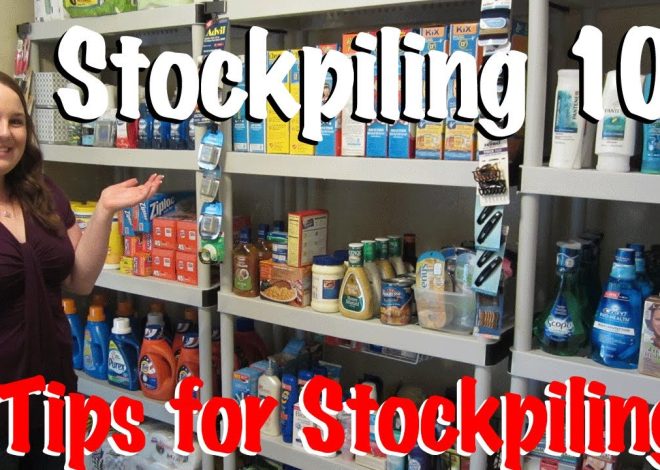
Stock Up Carefully
Stocking up can save money, but only when you buy the right products.
The best items to stock are usually foods or household products that:
- Your family uses regularly
- Store well
- Have predictable consumption
- Are genuinely discounted
Examples might include:
- Pasta
- Rice
- Canned food
- Frozen vegetables
- Detergent
- Toilet paper
- Toothpaste
Be more cautious with perishable foods.
Buying three packages of strawberries because they are cheap is not a bargain if half of them end up moldy.
Give Your Freezer a Job
A freezer is one of the most useful money-saving tools in the kitchen.
It allows you to preserve:
- Discounted meat
- Leftovers
- Bread
- Cooked meals
- Chopped vegetables
- Fruit
- Homemade sauces
But a freezer only saves money if you remember what is inside.
Keep a simple freezer inventory on your phone or on the refrigerator.
When you add something, write it down.
When you use it, remove it.
This prevents food from disappearing into the back of the freezer for a year.
Have a Leftover Plan
Leftovers often fail because nobody knows what they are supposed to become.
Instead of simply putting extra food into containers, decide how it will be used.
Roasted chicken can become:
- Tacos
- Sandwiches
- Soup
- Pasta
- Salad
Cooked vegetables can go into:
- Omelets
- Fried rice
- Pasta
- Soup
Rice can become:
- Fried rice
- Burrito bowls
- Side dishes
Leftovers become much more useful when they are treated as ingredients rather than repeats of yesterday’s meal.
Create an “Eat First” Area
Food waste often happens because people cannot see what needs to be eaten.
Create a small section in your refrigerator for items that should be used soon.
This might include:
- Open yogurt
- Half-used vegetables
- Leftovers
- Fruit that is becoming ripe
- Open packages of deli meat
When someone needs a snack or you start planning dinner, check this area first.
A simple visual reminder can prevent a surprising amount of food from being thrown away.
Make Convenience Foods Work for You
Not every money-saving strategy requires cooking everything from scratch.
Sometimes convenience is financially useful.
If keeping frozen pizza at home prevents a $45 takeout order, that frozen pizza may be a smart purchase.
The same applies to:
- Frozen meals
- Rotisserie chicken
- Pre-cut vegetables
- Jarred sauces
- Frozen breakfast foods
- Simple pantry meals
Your grocery budget exists within your real life.
A slightly more expensive grocery item can still save money if it helps you avoid a much more expensive restaurant or delivery order.
Keep a Few Emergency Meals at Home
Every household has nights when the planned dinner does not happen.
You get home late.
Someone is sick.
You forgot to defrost something.
Keep two or three easy meals available for those situations.
Good emergency meals might include:
- Pasta and jarred sauce
- Frozen pizza
- Soup and grilled cheese
- Eggs and toast
- Quesadillas
- Frozen dumplings
- Sandwich ingredients
Emergency meals reduce the temptation to order food simply because you are tired.
Shop Less Often
Every visit to the store creates another opportunity to spend money.
If you currently make several small grocery trips each week, try consolidating them.
One main grocery trip with perhaps one small refill trip can make spending easier to control.
It also encourages better planning because you cannot automatically run to the store every time you forget one ingredient.
Sometimes the best substitute is whatever is already in the pantry.
Be Careful With Warehouse Clubs
Buying in bulk can save money, but warehouse shopping is not automatically cheaper.
A giant package only makes sense if your family will use it.
Warehouse clubs often work particularly well for products such as:
- Frequently used pantry staples
- Household paper products
- Cleaning supplies
- Meat that can be portioned and frozen
- Products consumed quickly by larger families
They may be less useful for foods your household eats slowly or products you are trying for the first time.
Calculate the unit price and consider storage space before buying.
A bargain that takes up half your garage and expires before you finish it is not much of a bargain.
Set a Weekly Grocery Target
A grocery budget becomes easier to manage when you break it into smaller periods.
Instead of thinking only about a monthly number, create a weekly target.
For example, if your monthly grocery budget is $800, you might aim for roughly $185 to $200 per week while keeping a little money available for unexpected needs.
Your actual target will depend on family size, location, dietary preferences and shopping habits.
The important part is having a number before entering the store.
Without a target, it is easy to keep adding items because each individual purchase seems small.
Track What You Actually Spend
You do not need a complicated spreadsheet.
For one month, simply record your grocery purchases.
Include:
- Grocery stores
- Warehouse clubs
- Convenience stores
- Food purchased during quick refill trips
At the end of the month, look for patterns.
You may discover that your main weekly grocery trip is not the problem.
The real budget leak might be four smaller trips for “just a few things.”
Once you know where the money is going, it becomes easier to change your habits.
Do Not Cut the Foods Your Family Values Most
Saving money works best when it feels sustainable.
If your family genuinely loves a particular coffee, snack or Friday-night treat, you do not necessarily need to eliminate it.
Cutting everything enjoyable can make a budget feel like punishment.
Instead, look for areas where spending matters less.
Maybe you keep the favorite cereal but switch to store-brand canned goods.
Maybe you continue buying good coffee but reduce food waste.
Maybe you keep Friday pizza night but make it at home twice a month.
A good budget reflects priorities rather than treating every dollar the same.
The Cheapest Grocery Cart Is Not Always the Best One
Smart shopping is not about leaving the store with the lowest possible receipt.
It is about getting the most useful value from the money you spend.
A cart full of cheap food nobody wants to eat is not economical.
Neither is a pantry full of bulk purchases that expire before your family uses them.
The best grocery strategy balances:
- Price
- Nutrition
- Convenience
- Family preferences
- Waste
- Time
When those pieces work together, saving money becomes much easier to maintain.
Small Changes Can Create Meaningful Savings
You do not need to become an extreme couponer or visit five stores every week to lower your grocery bill.
Start with simple changes.
Plan meals around what you already have.
Compare unit prices.
Use store brands where they make sense.
Keep track of leftovers.
Stock up only on products your family genuinely uses.
Pay attention to the small purchases that happen between your main shopping trips.
At Mother Jones US, we believe the most useful money-saving strategies are the ones that work in real households.
The goal is not to make family life revolve around saving every possible penny.
It is to make smarter choices often enough that more of those dollars stay in your pocket.