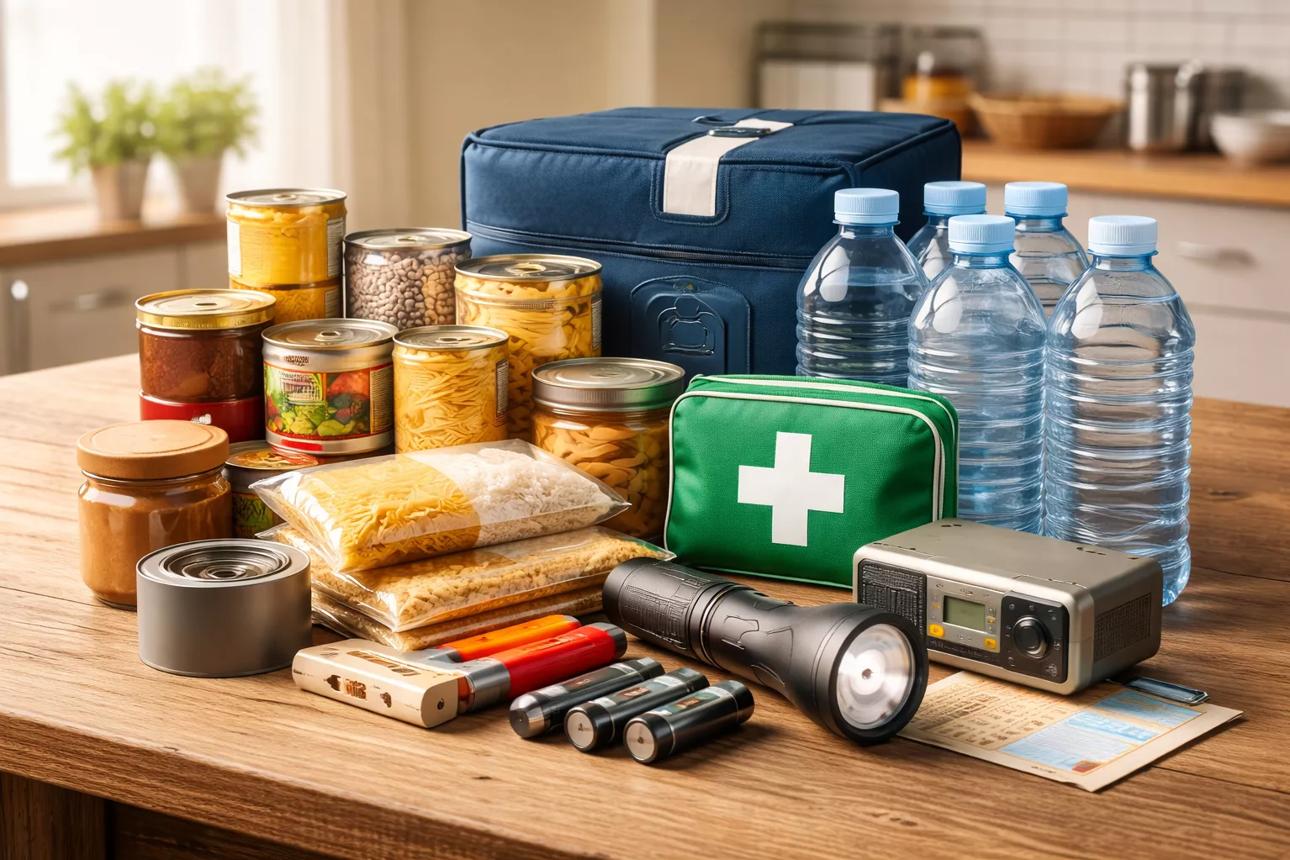
How to Build a Family Emergency Kit on a Budget
Emergencies rarely happen at a convenient time. A power outage, severe storm, unexpected road closure, or temporary water disruption can quickly turn an ordinary day into a stressful one, especially when you have children at home.
Preparing for these situations does not have to mean spending hundreds of dollars on expensive survival gear. For most families, a practical emergency kit can start with everyday household items, a few carefully chosen supplies, and a little planning.
The goal is simple: have what your family needs when normal routines are interrupted, without buying things you will never use.
1. Start With What You Already Have
Before shopping for emergency supplies, take a look around your home. You may already own many of the essentials.
Check your kitchen cupboards, bathroom cabinets, first-aid box, and storage areas. Flashlights, spare batteries, reusable water bottles, blankets, basic hygiene products, and shelf-stable foods can all be useful.
Make a quick inventory and divide everything into three groups:
- Already have: Items that are in good condition and ready to use.
- Need to replace: Expired, damaged, or unreliable supplies.
- Need to buy: Essential items your household does not currently have.
This simple step prevents duplicate purchases and helps you focus your budget on genuine gaps rather than buying a pre-packed kit filled with unnecessary extras.
2. Prioritize the Essentials First
Not every emergency supply needs to be purchased at once. Start with the items that would make the biggest difference if your family had to manage without normal household services for a while.
A practical starter kit should cover several basic needs.
| Category | Useful items |
|---|---|
| Water and food | Drinking water, ready-to-eat food, manual can opener |
| Lighting | Flashlight, spare batteries, battery-powered lantern |
| First aid | First-aid kit, necessary medications, basic medical supplies |
| Communication | Charged power bank, charging cables, battery-powered or hand-crank radio |
| Warmth and shelter | Blankets, warm clothing, rain protection |
| Hygiene | Toilet paper, wet wipes, hand sanitiser, rubbish bags |
| Important information | Emergency contacts, copies of essential documents, some cash |
Your family’s needs will depend on where you live, the local climate, and the types of emergencies most likely in your area. Check your local emergency management guidance before deciding how much water, food, and other supplies to store.
3. Build Your Kit Gradually Instead of Buying Everything at Once
One of the easiest ways to overspend is to treat emergency preparedness as a single shopping trip.
Instead, spread purchases across several ordinary shopping trips. Start with the essentials you lack, then add other supplies as your budget allows.
For example, your first shopping trip might cover drinking water, a flashlight, and batteries. The next could focus on first-aid supplies and hygiene products. After that, you might add a power bank, extra blankets, and food with a longer shelf life.
You can also compare the unit prices of everyday products you already buy. A larger pack is not automatically better value if you cannot use it before its expiration date or do not have enough room to store it.
The important thing is to make steady progress. A modest, well-planned kit is more useful than an expensive shopping list that never gets completed.
4. Choose Supplies Your Family Will Actually Use
A standard emergency checklist is a helpful starting point, but every household is different.
If you have a baby or toddler, you may need nappies, formula, feeding supplies, and familiar comfort items. Families with pets should consider food, leads, carriers, and any essential animal medications.
If someone in your household relies on prescription medication, medical equipment, or mobility aids, plan for those needs specifically. Keep necessary supplies accessible and follow your healthcare professional’s advice about storing and maintaining medications.
It is also worth thinking about food preferences. If your children refuse to eat certain canned foods during an ordinary week, they are unlikely to become enthusiastic about them during a stressful situation.
Choose shelf-stable foods your family already enjoys, taking allergies and dietary requirements into account. Rotate them into everyday meals and replace what you use.
The best emergency kit is one designed around your real household, not an imaginary family with identical needs.
5. Save Money by Avoiding Emergency Shopping Traps
Emergency preparedness can become surprisingly expensive when shoppers focus on specialist products rather than practical solutions.
Here are a few common mistakes to avoid.
Buying expensive all-in-one kits without checking the contents
Pre-packed emergency kits can be convenient, but their value depends on what they include. Check the quantities, quality, expiry dates, and whether the contents suit your family before comparing prices.
You may already own several items in the package, making it cheaper to purchase only the missing supplies.
Choosing the cheapest product regardless of reliability
Saving money matters, but some items need to work when you need them most. A dependable flashlight, a suitable power bank, and a well-stocked first-aid kit are generally more useful than several low-quality alternatives.
Look for products with appropriate safety certifications, clear specifications, and reliable reviews.
Stocking up on things you cannot store properly
Food, batteries, medicines, and other supplies have different storage requirements. Heat, moisture, and unsuitable storage conditions can reduce their usefulness.
Before buying in bulk, make sure you have a suitable place to keep everything. Otherwise, the apparent savings may be lost through damaged or expired supplies.
Forgetting to check what you already own
This is perhaps the simplest mistake to fix. Keep a basic inventory and review it periodically so you know what needs replacing and what you can stop buying.
6. Store Everything Somewhere Easy to Reach
You do not need a dedicated emergency room or an expensive storage system.
A clearly labelled plastic container, sturdy storage box, or designated cupboard may be enough for many households. Keep essential items together where possible, and store heavy or frequently needed items somewhere accessible.
There are two things worth remembering:
- Store food and water according to their packaging and local safety guidance.
- Keep important supplies accessible even if you cannot reach your usual storage area during an emergency.
For larger households, it can be helpful to keep a main supply box alongside smaller kits for the car or workplace. These do not need to contain everything; they simply need to cover the most relevant needs for each location.
Check your supplies every few months and after using anything. A quick review can reveal dead batteries, empty containers, expired food, or a power bank that was never recharged.
7. Make a Simple Emergency Plan With Your Family
Supplies are only one part of being prepared. Everyone in the household should know what to do if something goes wrong.
Choose a meeting place, agree on how family members will contact one another, and keep a written list of important phone numbers. Discuss how children should respond if they are at school or away from home when an emergency happens.
Make sure everyone knows where the emergency supplies are stored and how to use basic items safely.
You do not need to turn this into a complicated family project. A short conversation and an occasional review can make the plan easier to remember.
It is also sensible to check the official emergency guidance for your city or state, since recommended preparations can vary depending on local hazards.
A Small Budget Can Still Make a Meaningful Difference
Building an emergency kit is not about predicting every possible disaster or filling your home with specialist equipment. It is about reducing the number of things you have to worry about when everyday life is disrupted.
Start with an inventory, cover the essentials, add supplies gradually, and choose products that suit your family’s actual needs. Keep everything organised and review it regularly.
Most importantly, do not feel that you have to complete the entire kit in one weekend. Even a few useful preparations are a worthwhile starting point.
Smart household spending is not simply about paying less. It is about putting money towards things that genuinely improve your family’s security, comfort, and peace of mind.